

EN

Custom Flexible Packaging Manufacturer

icon icon

Popular Product Items

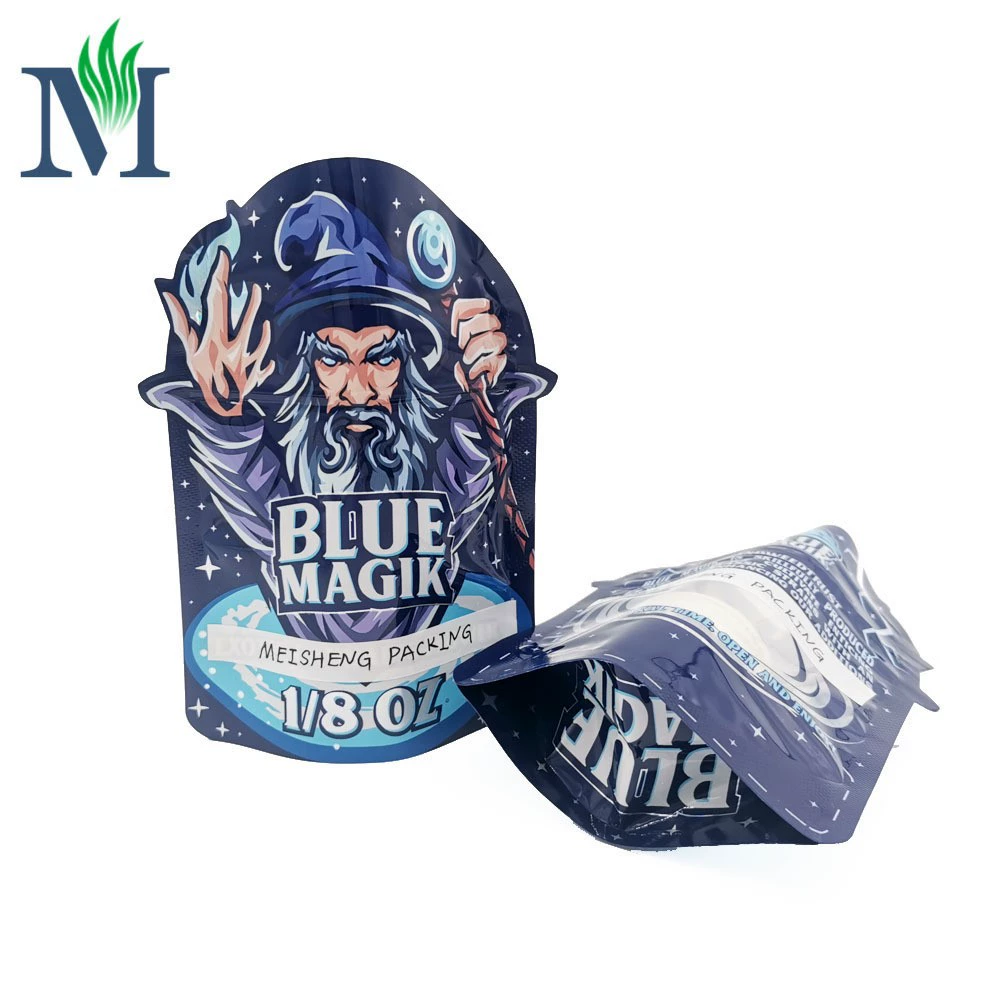
    CBD & Cannabis Packaging

    Rice & Grain Packaging

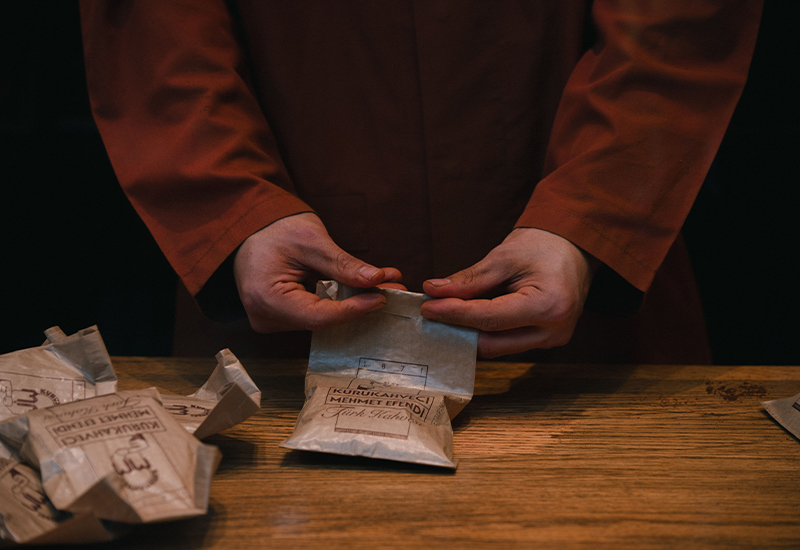
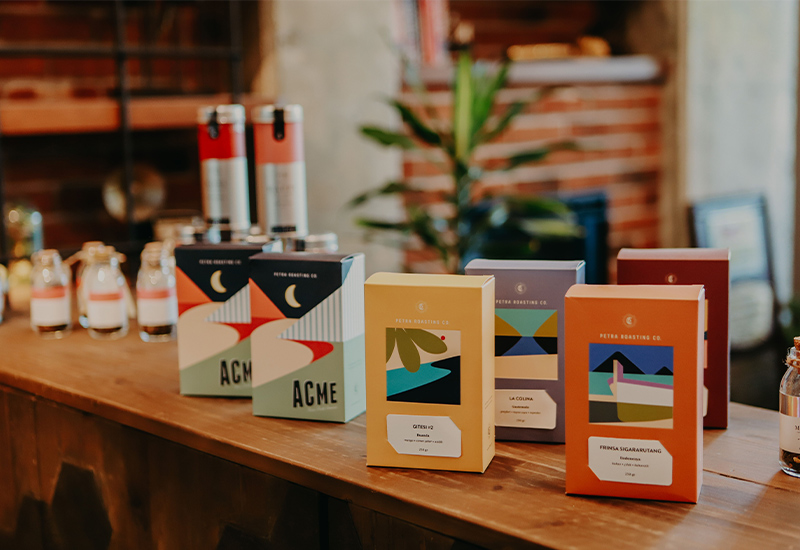
    Coffee & Tea Packaging

    Pet Care Packaging

  • CBD & Cannabis Packaging
  • Rice & Grain Packaging
  • Coffee & Tea Packaging
  • Pet Care Packaging
  • Custom CBD and cannabis packaging manufacturer offering odor-resistant, child-resistant, and high-barrier solutions for brands worldwide.
  • Custom rice and grain packaging manufacturer offering moisture-resistant, durable, and high-barrier solutions for brands worldwide.
  • Custom coffee and tea packaging manufacturer offering aroma protection, freshness preservation, and high-barrier solutions for brands worldwide.
  • Custom pet care packaging manufacturer offering freshness protection, durable designs, and high-barrier solutions for brands worldwide.
icon icon

our Service

pencil

Design & Prototyping

Turning ideas into something you can hold and evaluate.

chart network

Material Engineering

The right protection, engineered for every product.

paint roller

Printing & Manufacturing

Gravure, Flexo, and Digital printing, matched to every order size.

trophy

Quality Assurance

Certification that runs through the entire process, not just on paper.

chart line up

Scalable Delivery

Capacity that holds steady, so your timeline doesn't have to slip.

tree (1)

Sustainable Packaging

Sustainability as a standard option, not an added cost.

home 3
icon icon

OUR CASE

A cross-border shipment of coffee bags encountered a pressure-related material issue after prolonged cold-climate transit and improper end-use handling. We diagnosed the root cause across three contributing factors, guided the client through a material upgrade, and turned it into a stronger long-term partnership now expanding across Southern Europe.

Read More

A top-3 Mylar bag seller on Amazon US needed a packaging partner who could support fast SKU development, not just bulk production. Small-batch customization helped the client test and launch new products with minimal risk, driving significant procurement growth.

Read More

A German-market cleaning powder brand was losing sales to moisture-related clumping, incomplete EU compliance documentation, and slow SKU changeovers. A high-barrier laminate, resealable pouch format, and full compliance package cut returns by 40% and tripled the brand's SKU lineup.

Read More

A leading Thai chocolate brand needed a new packaging partner after service and delivery issues with a previous supplier — without compromising on print quality or budget. Precision color matching and an accelerated production schedule delivered a 400,000-unit order days ahead of industry norms, earning an immediate reorder.

Read More
icon icon

Our Solution

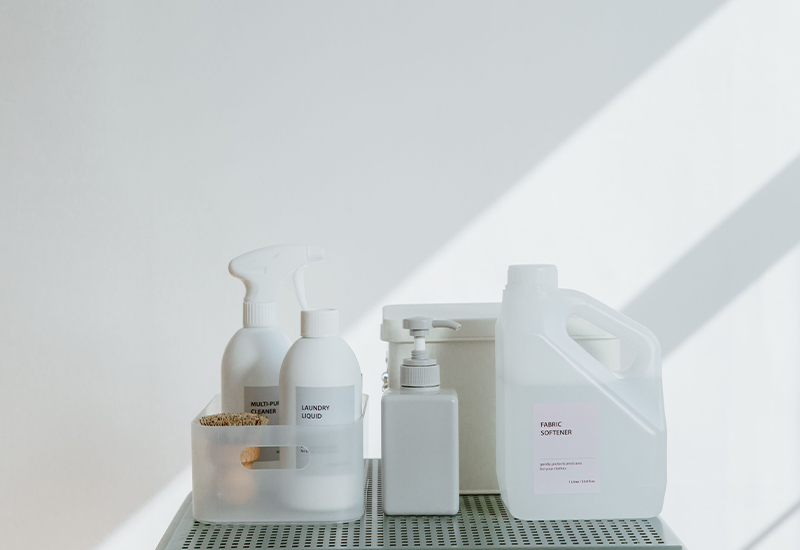
Daily-Use Packaging Solutions

Functional packaging for fast-moving consumer goods

Order Now

Chemical & Industrial Packaging Solutions

Engineered for safety, strength, and containment reliability

Order Now

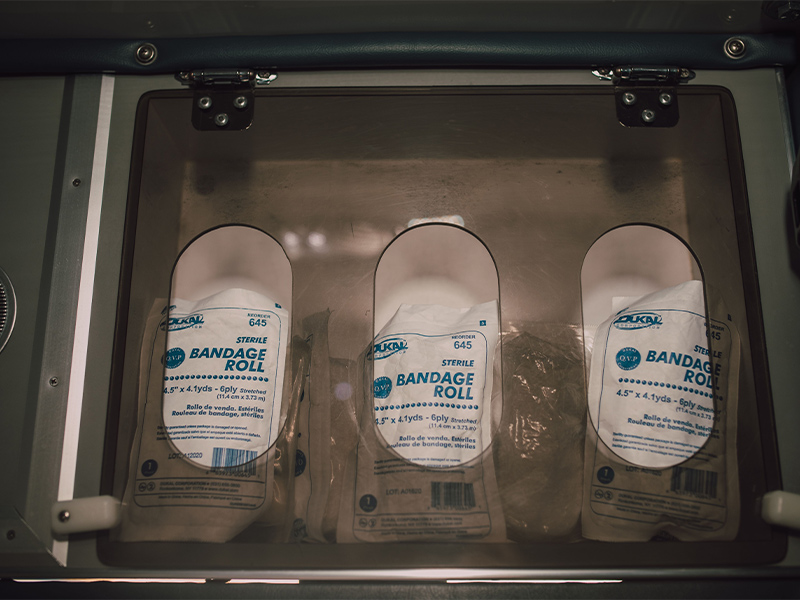
Healthcare Packaging Solutions

Precision packaging built for safety, compliance, and stability

Order Now

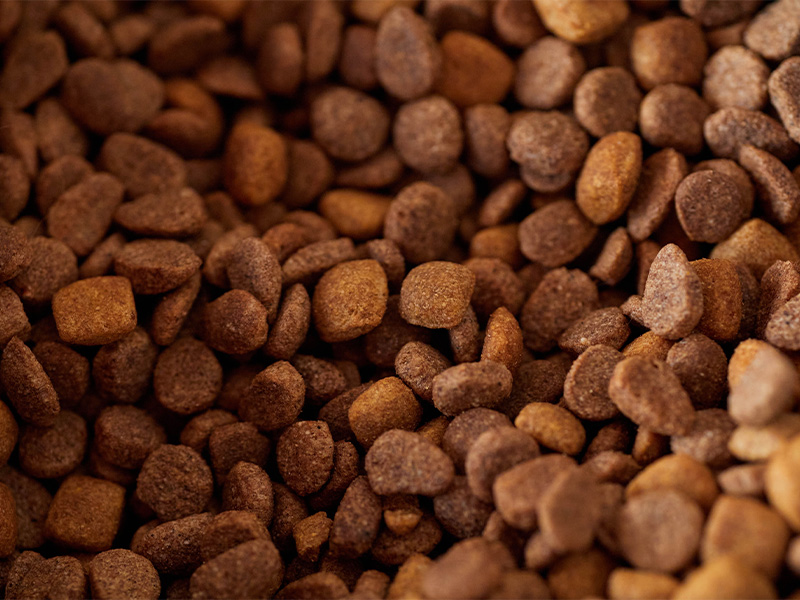
Pet Food Packaging Solutions

Durable, resealable, and built for high-load protection

Order Now
home 2
home
icon About US icon

Crafting Quality Packaging for Brands Around the World

We create custom packaging solutions that protect products, elevate brands, and deliver lasting value through quality manufacturing and reliable service.
  • 15
    +
    Style Categories
  • 80
    +
    Cooperative Factories
  • 5000
    +
    Monthly Sales Volume
  • 90
    +
    Professional Designers
icon icon

Premium Packaging Blog

How to Choose the Right Material Structure for Your Product

If you’ve ever wondered why some snack bags feel almost metallic while others are soft and matte, or why a coffee bag has a small button-like valve on the front, the answer comes down to one thing: barrier film structure. Choosing the right barrier isn’t just a packaging detail — it directly determines how long your product stays fresh, how it performs in transit, and ultimately how it’s perceived on the shelf. This guide breaks down the fundamentals of barrier films so you can make more informed decisions when specifying packaging for your product. What Is a “Barrier” in Flexible Packaging? In flexible packaging, “barrier” refers to a film’s ability to block external elements — primarily oxygen, moisture, and light — from reaching the product inside. Every product has a different sensitivity profile: Oxygen-sensitive products (snacks, coffee, nuts) oxidize and go stale or rancid when exposed to air Moisture-sensitive products (dry goods, powders) lose texture or clump when humidity gets in Light-sensitive products (certain healthcare and chemical products) can degrade or discolor under UV exposure A film’s barrier performance is typically measured by two industry metrics: OTR (Oxygen Transmission Rate) and WVTR (Water Vapor Transmission Rate). Lower numbers mean better barrier performance — but higher barrier also often means higher material cost, so the goal is matching barrier level to actual product need, not defaulting to the highest barrier available. Common Barrier Structures, Explained PET/PE Structures A cost-effective, general-purpose option offering moderate barrier performance. Good for products with shorter shelf-life requirements or lower sensitivity to oxygen and moisture — think daily-use products or lightly processed snacks. Metallized (VMPET) Structures Adding a vacuum-metallized layer significantly boosts barrier performance at a lower cost than foil, while keeping the package lightweight. This is a common middle-ground choice for snacks and coffee products that need solid protection without foil-level cost. Aluminum Foil Laminates The gold standard for maximum barrier protection — near-total blockage of oxygen, moisture, and light. Foil is typically used for products with long shelf-life requirements or high sensitivity, such as ground coffee, certain healthcare products, and premium snack lines. The tradeoff is higher material cost and a more rigid feel compared to metallized film. High-Barrier Coated Films (EVOH, PVDC) These structures use a coating or co-extruded layer to achieve foil-like barrier performance while remaining transparent — useful when brands want a product window or a clear, premium look without sacrificing protection. Matching Barrier to Product: A Practical Framework Rather than starting with “what film do we want,” we recommend starting with three questions: How long does the product need to stay fresh? A product with a 3-month shelf life has very different barrier needs than one requiring 18 months. What’s the product’s fat/moisture content? High-fat products (nuts, some snacks) are more prone to oxidative rancidity and generally need stronger oxygen barriers. What are the storage and transport conditions? Products moving through humid climates or long international shipping routes need more robust moisture barriers regardless of shelf-life target. A Note on Coffee: Why Barrier Alone Isn’t Enough Coffee deserves a special mention because it introduces a variable most other products don’t have: degassing. Freshly roasted coffee releases CO2 for days after roasting. A high-barrier film alone will trap that gas and cause bags to swell or burst. This is why coffee packaging typically combines high-barrier laminates with a one-way degassing valve — allowing CO2 to escape while blocking oxygen from entering. Barrier structure and functional components need to be considered together, not separately. Getting It Right the First Time Choosing barrier structure isn’t a one-time decision made in isolation — it interacts with your sealing process, printing method, and pouch format. A film that’s ideal for barrier performance but incompatible with your filling line speed or sealing temperature can create just as many problems as choosing the wrong barrier level in the first place. This is why working with a packaging partner who understands both the material science and the manufacturing process matters. At Meisheng Packaging, we help brands work backward from actual product requirements — shelf-life targets, formulation sensitivity, and logistics conditions — to specify a structure that performs, rather than starting from a generic template. Not sure which barrier structure fits your product? Our team can walk through your product’s specific requirements and recommend a structure built for how it will actually be stored, shipped, and used.
Read More


5 Signs It’s Time to Rethink Your Flexible Packaging Supplier

5 Signs It’s Time to Rethink Your Flexible Packaging Supplier   Switching packaging suppliers can feel risky — new specs, new lead times, new relationships to manage. So most brands stick with their current supplier until something forces the issue: a failed shipment, a compliance audit, a competitor’s shelf presence suddenly looking sharper than theirs.   But by the time a crisis forces the switch, the cost is usually higher than it needed to be. Here are five signs worth paying attention to before that happens — and what to actually look for in a replacement.   You’re Managing Multiple Vendors for One Product Line If your gravure printing, digital printing, and pouch conversion each come from a different supplier, you’re likely absorbing hidden costs: coordination overhead, inconsistent lead times, and quality variance between vendors who were never designed to work together.   What to look for instead: A single manufacturing partner with full-spectrum capability — gravure for high-volume runs, digital for short runs and SKU customization — under one quality system. This doesn’t just simplify logistics; it means one point of accountability when something needs to be fixed.   Your Packaging Can’t Keep Up With SKU Expansion Many brands started with two or three flavors or product variants and now run fifteen. If every new SKU still requires the same plate-based printing setup and minimum order quantities as your very first product, you’re likely paying for capacity you don’t need on smaller runs — or worse, avoiding SKU expansion because packaging costs make it unprofitable.   What to look for instead: Suppliers with digital printing capability alongside traditional gravure. Digital allows fast turnaround on prototypes, seasonal packaging, and lower-volume SKUs without the setup costs of plate-based printing — while gravure remains the better choice once a SKU proves out at higher volume.   You’ve Had Compliance or Quality Issues Surface Late If a compliance gap or quality issue surfaces after product has already shipped — rather than being caught during production — that’s a signal your supplier’s quality control process isn’t structured tightly enough for your category, especially in food, healthcare, or chemical packaging where regulatory requirements carry real consequences.   What to look for instead: Certifications aren’t just a checkbox — they indicate whether a supplier’s internal processes are actually built for your category. ISO 9001 signals a structured quality management system. ISO 22000 and BRC specifically address food safety management. FDA compliance matters for any product with direct food or healthcare contact. Ask not just “are you certified” but “how does that certification show up in your actual production process.”   Lead Times Are Increasingly Unpredictable Occasional delays happen everywhere. But if lead times have become consistently unreliable — especially around barrier film availability or print scheduling — it often points to a supplier operating near capacity without enough manufacturing flexibility to absorb demand fluctuations.   What to look for instead: Ask potential suppliers directly about production capacity relative to typical order volumes, and how they handle unexpected demand spikes (a product going viral, a retail expansion, a seasonal surge). A supplier’s honesty about capacity constraints is often more telling than a promise that “we can handle anything.”   Your Packaging Looks the Same as It Did Three Years Ago This isn’t just an aesthetic concern. Packaging that hasn’t evolved often signals a deeper issue: the current supplier relationship is transactional rather than consultative. A packaging partner who understands your category should be proactively suggesting material or format improvements — a better resealable closure, a barrier upgrade as your shelf-life needs change, a finish that better differentiates you from competitors — rather than simply reprinting the same order year after year.   What to look for instead: In early conversations with a potential supplier, notice whether they ask about your product’s actual performance requirements (shelf life, storage conditions, retail environment) or whether they only ask for your current file and reprint it as-is. The former signals a partner; the latter signals a vendor.   Making the Switch Without the Risk Switching suppliers doesn’t have to mean starting from zero or accepting a rocky transition period. The lowest-risk approach is usually to run a smaller trial order or a single SKU through a new supplier before migrating your full product line — giving you a real read on quality, lead time, and communication before committing broadly.   At Meisheng Packaging, we work with brands going through exactly this kind of transition — evaluating current packaging specs, identifying where an upgrade in barrier performance, format, or print capability could make a measurable difference, and running trial orders that de-risk the switch.   Considering a change? Our team can review your current packaging specs and show you where there’s room to improve — no pressure, just a clear look at what’s possible.
Read More
Products
Contacts
WhatsApp
Email