9
July
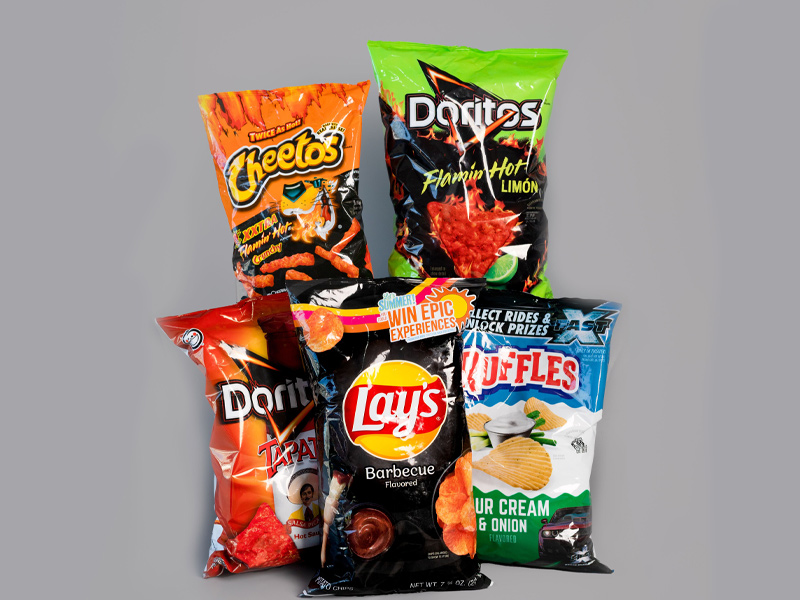
If you’ve ever wondered why some snack bags feel almost metallic while others are soft and matte, or why a coffee bag has a small button-like valve on the front, the answer comes down to one thing: barrier film structure. Choosing the right barrier isn’t just a packaging detail — it directly determines how long your product stays fresh, how it performs in transit, and ultimately how it’s perceived on the shelf. This guide breaks down the fundamentals of barrier films so you can make more informed decisions when specifying packaging for your product. What Is a “Barrier” in Flexible Packaging? In flexible packaging, “barrier” refers to a film’s ability to block external elements — primarily oxygen, moisture, and light — from reaching the product inside. Every product has a different sensitivity profile: Oxygen-sensitive products (snacks, coffee, nuts) oxidize and go stale or rancid when exposed to air Moisture-sensitive products (dry goods, powders) lose texture or clump when humidity gets in Light-sensitive products (certain healthcare and chemical products) can degrade or discolor under UV exposure A film’s barrier performance is typically measured by two industry metrics: OTR (Oxygen Transmission Rate) and WVTR (Water Vapor Transmission Rate). Lower numbers mean better barrier performance — but higher barrier also often means higher material cost, so the goal is matching barrier level to actual product need, not defaulting to the highest barrier available. Common Barrier Structures, Explained PET/PE Structures A cost-effective, general-purpose option offering moderate barrier performance. Good for products with shorter shelf-life requirements or lower sensitivity to oxygen and moisture — think daily-use products or lightly processed snacks. Metallized (VMPET) Structures Adding a vacuum-metallized layer significantly boosts barrier performance at a lower cost than foil, while keeping the package lightweight. This is a common middle-ground choice for snacks and coffee products that need solid protection without foil-level cost. Aluminum Foil Laminates The gold standard for maximum barrier protection — near-total blockage of oxygen, moisture, and light. Foil is typically used for products with long shelf-life requirements or high sensitivity, such as ground coffee, certain healthcare products, and premium snack lines. The tradeoff is higher material cost and a more rigid feel compared to metallized film. High-Barrier Coated Films (EVOH, PVDC) These structures use a coating or co-extruded layer to achieve foil-like barrier performance while remaining transparent — useful when brands want a product window or a clear, premium look without sacrificing protection. Matching Barrier to Product: A Practical Framework Rather than starting with “what film do we want,” we recommend starting with three questions: How long does the product need to stay fresh? A product with a 3-month shelf life has very different barrier needs than one requiring 18 months. What’s the product’s fat/moisture content? High-fat products (nuts, some snacks) are more prone to oxidative rancidity and generally need stronger oxygen barriers. What are the storage and transport conditions? Products moving through humid climates or long international shipping routes need more robust moisture barriers regardless of shelf-life target. A Note on Coffee: Why Barrier Alone Isn’t Enough Coffee deserves a special mention because it introduces a variable most other products don’t have: degassing. Freshly roasted coffee releases CO2 for days after roasting. A high-barrier film alone will trap that gas and cause bags to swell or burst. This is why coffee packaging typically combines high-barrier laminates with a one-way degassing valve — allowing CO2 to escape while blocking oxygen from entering. Barrier structure and functional components need to be considered together, not separately. Getting It Right the First Time Choosing barrier structure isn’t a one-time decision made in isolation — it interacts with your sealing process, printing method, and pouch format. A film that’s ideal for barrier performance but incompatible with your filling line speed or sealing temperature can create just as many problems as choosing the wrong barrier level in the first place. This is why working with a packaging partner who understands both the material science and the manufacturing process matters. At Meisheng Packaging, we help brands work backward from actual product requirements — shelf-life targets, formulation sensitivity, and logistics conditions — to specify a structure that performs, rather than starting from a generic template. Not sure which barrier structure fits your product? Our team can walk through your product’s specific requirements and recommend a structure built for how it will actually be stored, shipped, and used.
Read MoreRecent Post